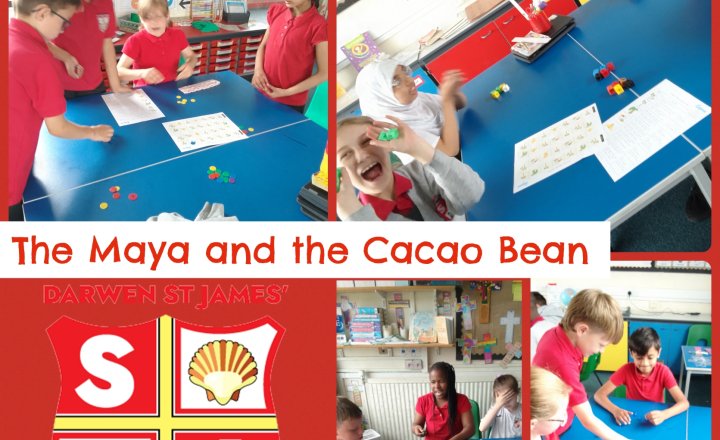
Year 4 History - The Maya and the Cacao Bean
Year 4 have been further investigating the lifestyle of the Maya civilisation, when we came across something we have already looked at this year - the cacao bean! Pupils were able to remember facts from their previous Geography unit, and relate this to the Maya. Year 4 were amazed to find that the Maya had managed to grow and harvest a difficult plant where the Maya lived and for the beans to become such an integral part of Maya lifestyle. They were even more impressed to find out the Maya were the first to make hot chocolate! Year 4 played a Maya board game in groups to find out even more facts. The winner was the person with the most 'cacao beans' at the end!
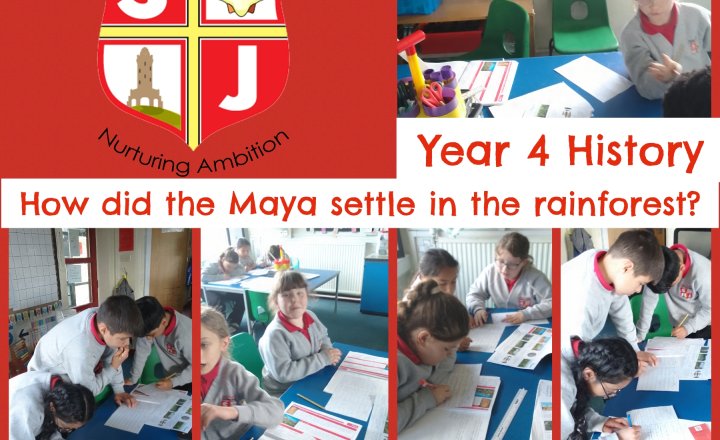
Year 4 History - How did the Maya settle in the rainforest?
A new History topic awakened Year 4's curiosity this week, when we delved into the civilisation of the ancient Maya. Building directly on our previous geography topic about the rainforest ecosystem, the children were able to make brilliant real-world connections to understand exactly how this ancient civilization thrived.
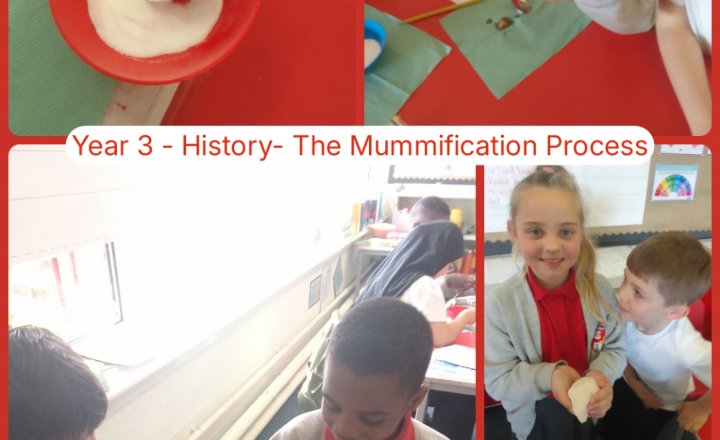
Year 3 - Science - The Mummification Process
Today, our young historians took a deep dive into Ancient Egypt by learning all about the fascinating process of mummification. From understanding the ritual steps to learning about the purpose of canopic jars, the children were absolutely captivated. Safe to say, we have some future archaeologists in our midst. Check out our little embalmers in action in the photos below.
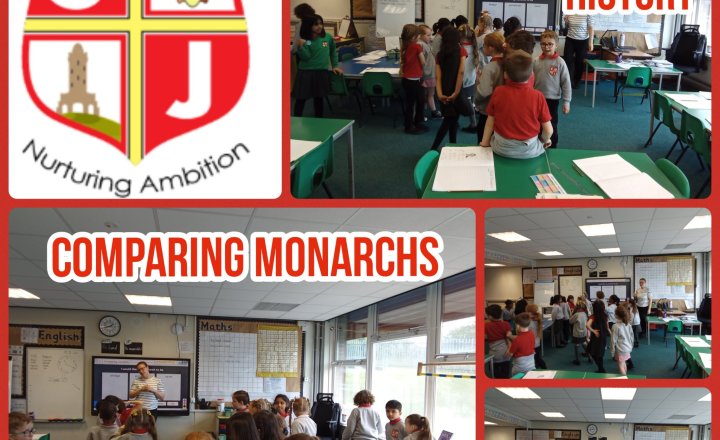
Year 2 History: Comparing Monarchs
During this week's history, Year 2 have been comparing two very different monarchs: William the Conqueror and King Charles III. After discussing the qualities of both monarchs, Year 2 voted on which features they believe make a good monarch such as fairness and bravery. Then, everyone designed their perfect monarch and decided if they would be more like William the Conqueror or King Charles III! What qualities would your perfect monarch have?
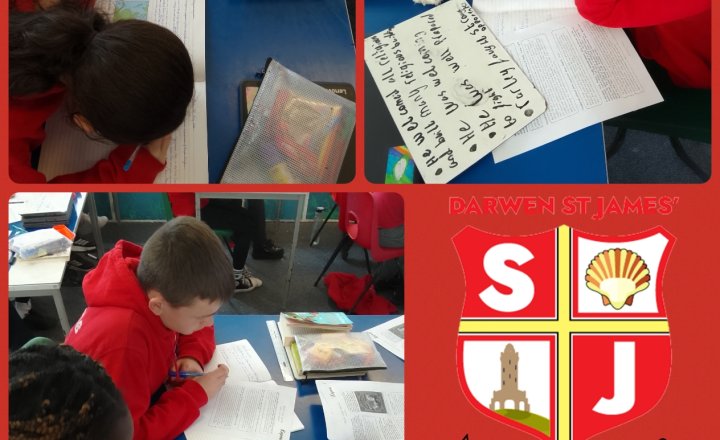
Year 6: History - The Sikh Empire
This week in history year 6 analysed a variety of sources, to gain a historical perspective of how Ranjit Singh was seen at the time of the Sikh Empire. We spoke about the 5 'Rs' and discussed how reliable different sources may be.
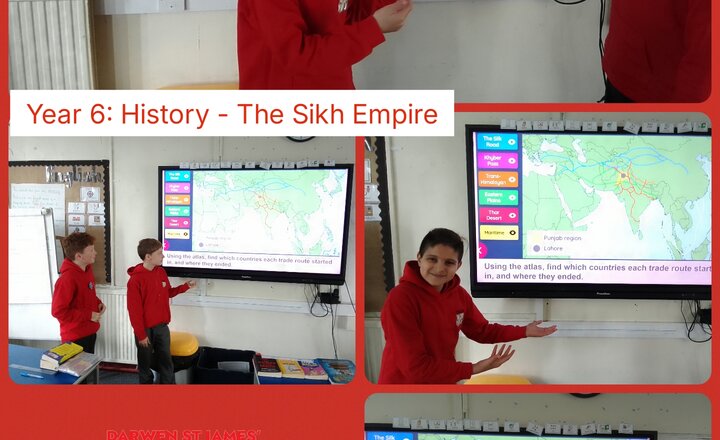
Year 6: History - The Sikh Empire
This week in history, year 6 have located Lahore and several important trade routes to the Sikh Empire - including the Silk Road. We used atlases to locate the trade routes, and develop knowledge of the importance of trading goods and cultural exchange.
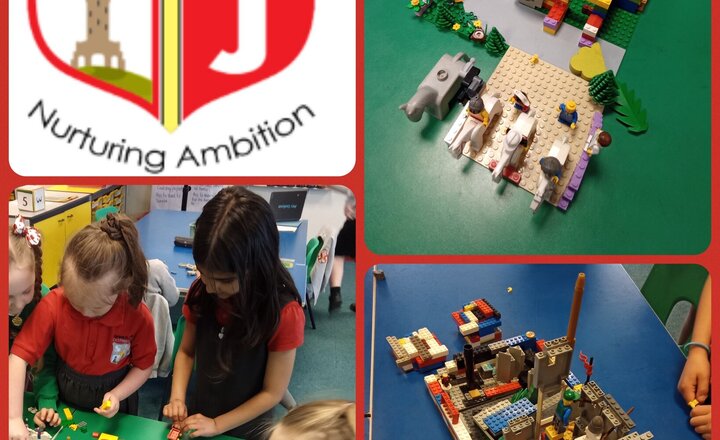
Year 2 - History - Norman Castles
Year 2: Castle Builders! This week, Year 2 have been busy learning how William the Conqueror protected himself after the Battle of Hastings. We discovered that he built strong castles to keep his army safe and help him rule over England. Working together, the children built their own Motte and Bailey and stone castles! We had great fun naming the different parts, including the high motte mounds, the bailey courtyards, and the deep moats. Well done to our fantastic junior historians for such brilliant teamwork!
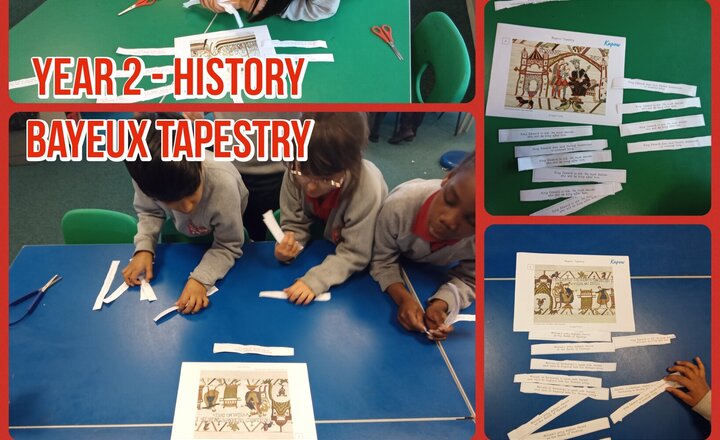
Year 2 - History - Bayeux Tapestry
In this lesson, our Year 2 historians became detectives to uncover how William the Conqueror claimed the English throne. By exploring the Bayeux Tapestry—a 70-metre embroidery nearly 1,000 years old—the children hunted for historical clues like crowns and thrones. Through a "gallery walk" and caption-matching challenge, they pieced together the story of the Norman invasion and the Battle of Hastings. It was wonderful to see the children recognise how royal traditions, such as coronations, have remained remarkably similar from King Harold’s time to the present day!
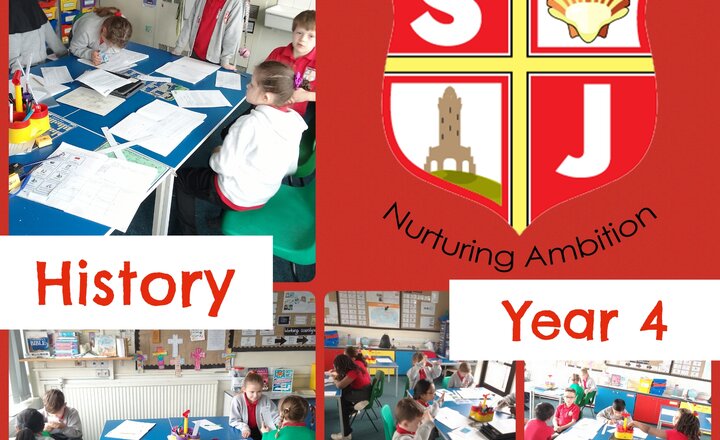
Year 4 History - King Alfred
Year 4 have been looking at sources about King Alfred, who we learned, was referred to as 'the Great'. We had to study where each source had come from, how reliable it was, and rate it on a scale of potential bias. Year 4 had some fantastic discussions within their groups, explaining their thoughts to others. We shared all of our sources and ideas to the rest of the class, to collate our information.
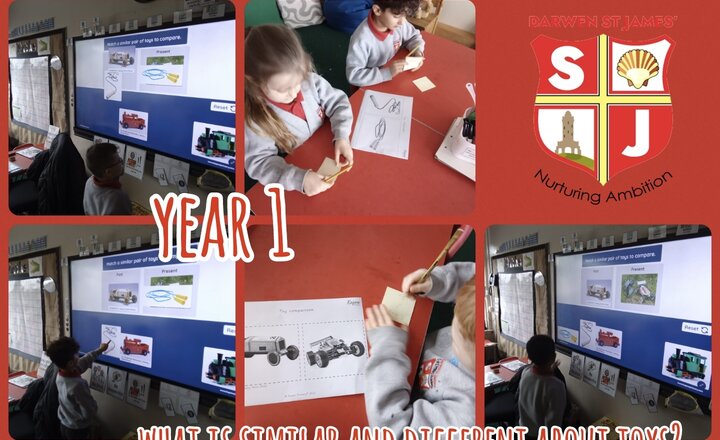
Year 1 History Comparing Toys from the Past
Toy Detectives in Year 1! Our historians at Darwen St James’ have been travel-travelling back in time! Using our Kapow History curriculum, the children explored how toys have changed over the generations. What we did: Compared "Past" and "Present" toys using our interactive board. Investigated materials like wood and metal vs. modern plastic. Discussed what has changed (batteries and screens!) and what stayed the same (the fun of a good train set!). It was brilliant to see such great note-taking and historical thinking from our youngest researchers. Great job, Year 1! #DarwenStJames #Year1History #KapowHistory #LearningThroughPlay #ToyHistory
Year 1 - History - Exploring Toys from the Past
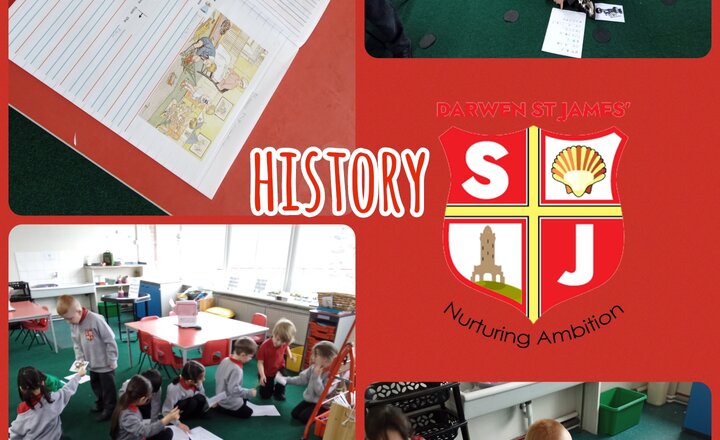
Step back in time with Year 1! As part of our Kapow History curriculum, our Year 1 historians have been busy investigating toys from the past .We’ve been asking the big question: What were toys like 100 years ago? From wooden spinning tops to clockwork wonders, the children have loved getting hands-on with history. We aren't just looking at old objects; we are building oracy by describing textures, comparing materials, and debating which toys have stood the test of time! It’s been a fantastic, interactive way to bring the past to life. Well done, Year 1! #DarwenStJames #Year1 #PrimaryHistory #KapowCurriculum #LearningThroughPlay #Oracy #NurturingAmbition
Year 6: History - The Maya
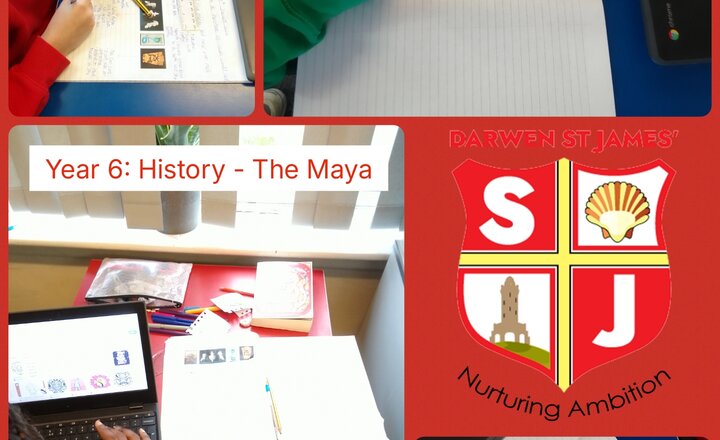
This week in history, year 6 have been researching many different Maya Gods and Goddesses. We learnt about the cultural significance of the Gods to the Maya, and also thought about the Maya leaders' relationship with the afterlife.
.png)