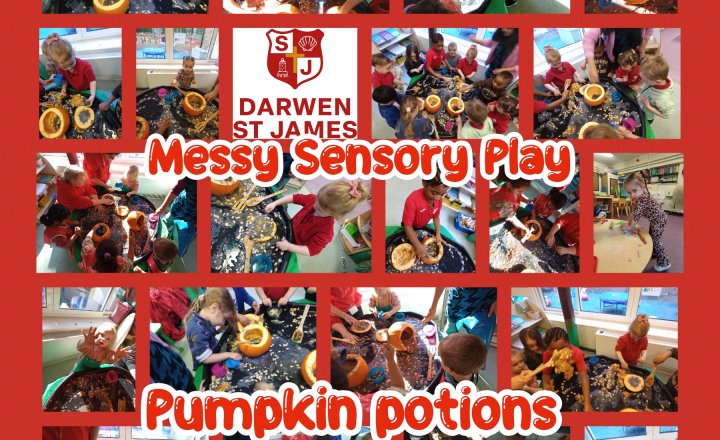
Nursery And Pre-School - Science - Pumpkin Potions
Our children have eagerly been diving into sensory science this week at the malleable tray! The table was packed with a mysterious seasonal mixture of pumpkins, gooey pulp, slime, and various surprise treasures hidden throughout the concoction. The children used their senses to explore all the different, contrasting textures, describing how things felt as they squeezed and squelched. They put their physical skills to work by scooping, pouring, and stirring the materials together to brew their very own magical potions, developing early scientific curiosity through open-ended sensory investigation!
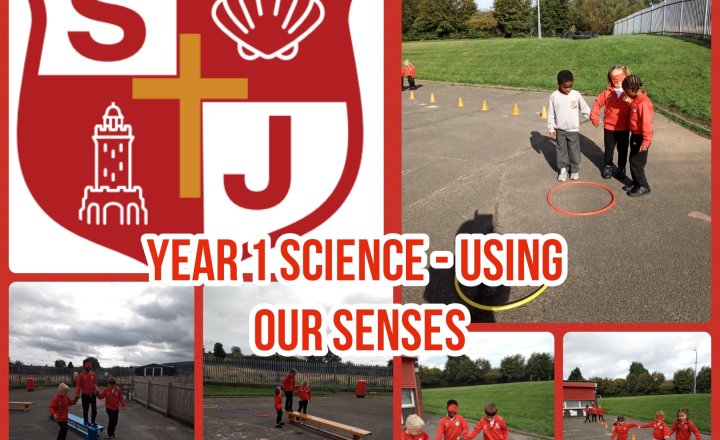
Year 1- Science-Using our senses
Year 1 have been using our sense of sight. We completed an activity course blindfolded. It was hard to move without being able to see.
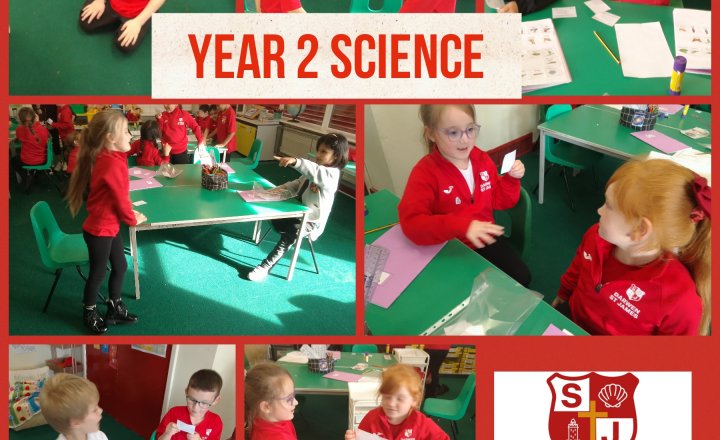
Year 2 Science - Guess the Lifecycle Stage!
In this lively Year 2 science lesson, the children explored life cycles through hands-on activities and play. After putting various animal life cycles into the correct order, they moved on to studying the human life cycle. Taking turns, partners picked a stage of human life and acted it out using a list of suggested actions, while their partner tried to guess which stage they were portraying. It was a fantastic, fun-filled activity that the children thoroughly enjoyed!
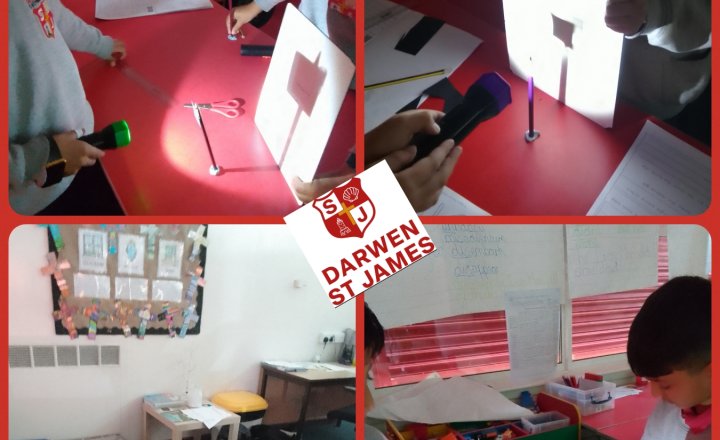
Year 3 - Science - How Does A Shadow Change When The Distance From The Light Source Is Altered?
Year 3 scientists have been busy investigating light and shadows this week. We have been exploring how the size of a shadow changes when an object is moved closer to or further away from a light source. Did you know that as an object gets closer to the light source, the shadow grows larger? Moving the object further away makes the shadow smaller.
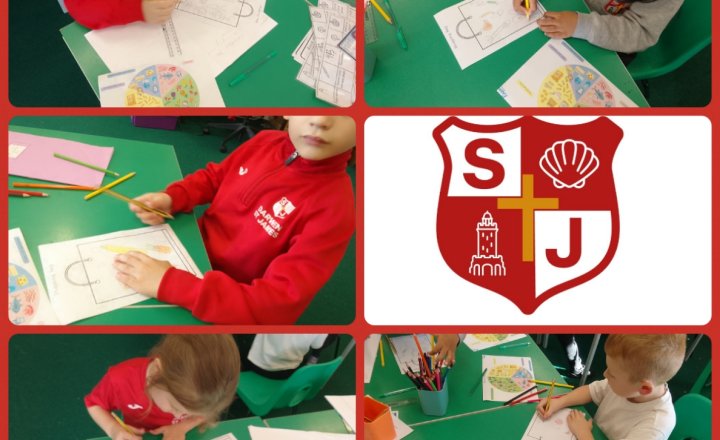
Year 2 Science: Designing our Balanced Diet Shopping Bags
Healthy Eating Superstars in Year 2! This week, Year 2 became nutrition experts in Science as we explored what it means to eat a balanced diet. The children learned all about the five different food groups and explored our balance plate diagram to see how much of each group we need to stay healthy and strong. They quickly spotted that fruit, vegetables, and carbohydrates make up the biggest parts of a healthy diet, while oils and spreads take up the smallest slice! Putting their learning into action, the children then designed their very own healthy shopping bags, filling them with wonderful drawings of nutritious foods to buy for a balanced meal. Well done, Year 2!
.jpg)
Year 3 - Science - How Do Shadows Change Throughout The Day?
Working in small groups, the children used torches as light sources to represent the movement of the sun across the sky. By angling and repositioning their torches around a fixed object, they observed how the position of a light source directly impacts shadow length and direction. They discovered that when the torch was held low to simulate morning or late afternoon, the shadows stretched out long, whereas positioning the torch directly overhead created the shortest shadows. This hands-on classroom investigation allowed the class to carefully control their variables while developing their scientific enquiry and measurement skills.
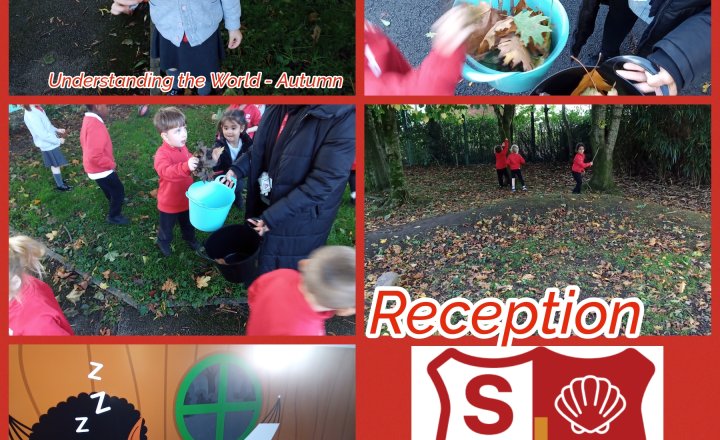
Reception - Understanding the World - Autumn
Reception have had a busy week exploring Autumn. We began with a special story about Pip, a little fairy who needed help decorating his home with nature's best treasures. The children were very keen to help Pip, so we headed outside to see what we could find. We observed the trees and the leaves that had started to change colour and we searched for some that had fallen to the ground. We then used out Autumn treasures to make potions in the Mud Kitchen.
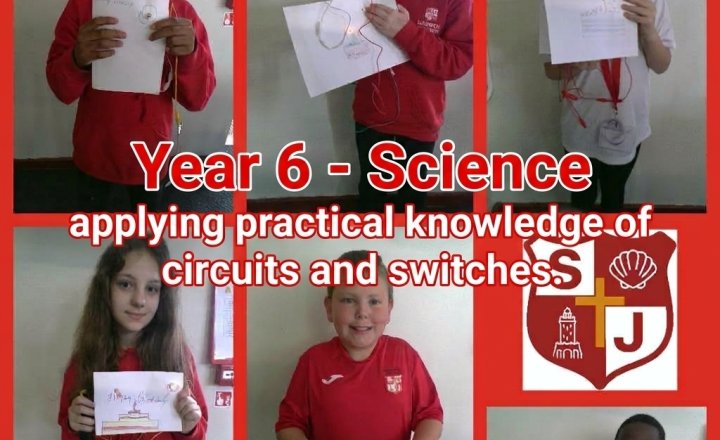
Year 6 - Science - Applying Practical Knowledge of Circuits and Switches
Year 6 applied their scientific knowledge of circuits and switches during an exciting science lesson to design and create custom greetings cards, incorporating either a light-up or moving component powered by bulbs or motors. The children discussed how impractical it would be for the cards to remain constantly active, as the batteries would likely run out before the recipients even opened them. To solve this problem, they successfully incorporated clever switches using split pins and paper clips. Throughout the lesson, the children demonstrated outstanding teamwork and perseverance to complete the task, and they are incredibly proud of their final designs.
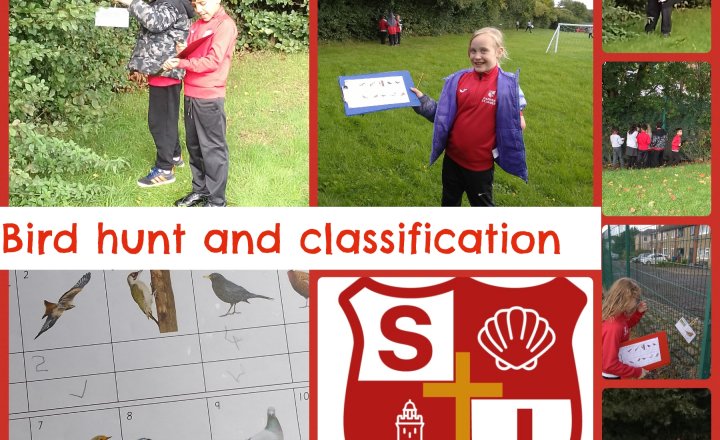
Year 4 Science - Bird hunt and classification
Following on from our leaf hunt last week, Year 4 continued their hunting skills, but this time looking for birds! We enjoyed searching the school grounds for the different types of birds, ticking them off our sheet once found. When we came back to class, we researched the birds we had found and came up with questions that could be used to help classify them.
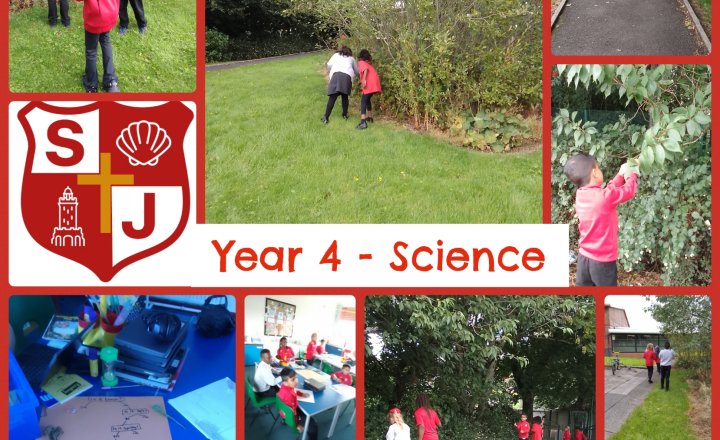
Year 4 Science - Leaf Hunt and Classification Keys
Year 4 have been looking at, 'Living things and their Habitats' in our Science lessons. We have learnt how to group things by using classification keys and selecting relevant questions to help do this. In our Science lesson this week, we put our knowledge to the test by collecting leaves from the school grounds on a leaf hunt, and then worked in table groups to help classify the different leaves we had found.
.jpg)
Year 3 - Science - Sources of Light
This term, our Year 3 mini-scientists are rolling up their sleeves and stepping into the lab to explore the fascinating world of light and shadows. We’re really focusing on practical, hands-on learning, giving the children a chance to ask big questions, test out their own ideas, and figure out how things work firsthand. It’s always a hugely popular topic, and we can’t wait to see their curiosity take off as they get stuck into some brilliant classroom experiments.
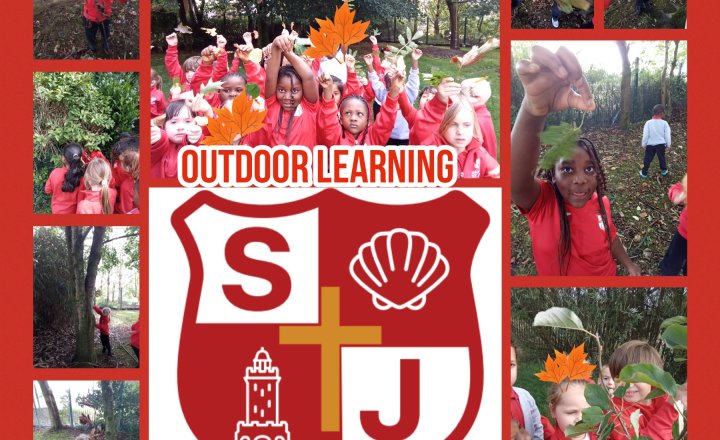
Year 1 - Outdoor Learning - Identifying Parts of Trees
Year 1 had a fantastic time taking our learning outdoors today! We explored the school grounds to discover the different parts of a tree—hunting for leaves, branches, the trunk, and even spotting some roots popping up out of the soil. We had a great chat about the important job each part does to keep the tree happy and healthy. We also brought some maths into the fresh air! The children collected sticks and leaves, then worked hard to sort them into categories by colour and size. There’s nothing quite like hands-on learning outside! What’s your favourite thing to spot on a nature walk? Let us know below!
.png)