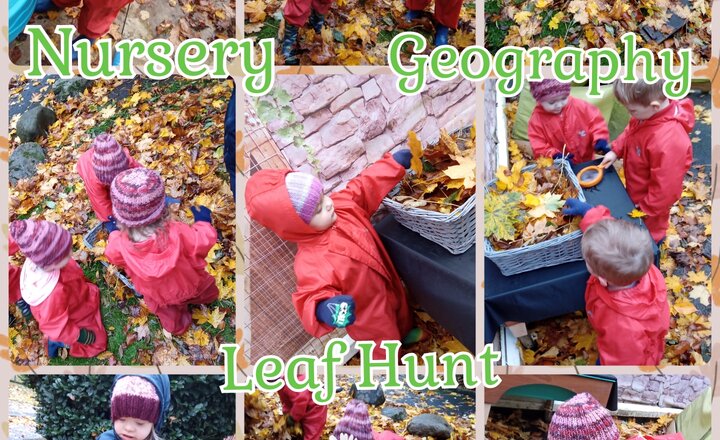
Nursery - Geography - Leaf Hunt
Inspired by our story this week, the nursery class embarked on a fascinating leaf hunt outdoors. The children immediately observed that the ground was covered in a thick layer of leaves, which sparked a natural geographical discussion: "Why are the leaves on the ground?" and "Where did they come from?" This curiosity led to a key observation about seasonal change. The children looked up and noticed that the trees, which had been full of leaves, were now largely bare. This visible change from leaves on the tree to leaves on the ground provided a concrete lesson in the cycle of nature and the concept of where materials originate. We then searched enthusiastically for leaves of different colours, shapes, and sizes, carefully collecting them to use as natural resources for our other work taking place in class. This hands-on exploration linked observation of the local environment directly to classroom learning.
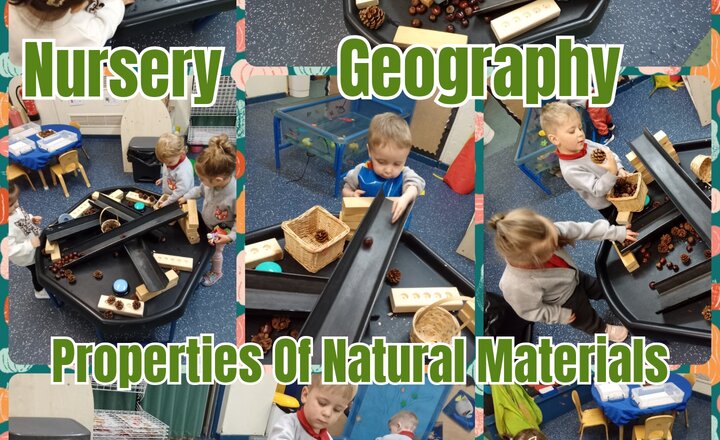
Nursery - Geography - Properties Of Natural Materials
Nursery class have been exploring the properties of foraged natural materials—pinecones and conkers. The activity began with practicing anticipation skills using a clear "Ready, Steady, Go!" cue to release the objects down the pipes. The children quickly discovered a key difference, the conkers rolled down the entire length of the pipe, but the pinecones stopped short and got 'stuck'. This led to a discussion about the physical characteristics of the materials. The children were prompted to feel each item, noting that the conker was smooth, while the pinecone was spikey, which stopped it from rolling. The experimentation then moved to exploring cause and effect by adjusting the slope of the drainpipes. The children used blocks to make the pipes higher or lower, observing how the incline affected the speed of the rolling objects. Then they raced the two materials, further working on their understanding of how a material's shape and texture influence its movement. This was a rich, hands-on lesson about the physical world around them.

Year 4 Geography - Gathering Data
In our Geography lessons, Year 4 have been learning all about the Amazon Rainforest and what it is used for. We have linked our forests and woodlands to be the closest match to the rainforest and have been collecting information in a variety of formats to find out what we use our forests and woodlands for. We will then compare this to the Amazon rainforest when we present our findings next lesson. We have made some interesting predictions and are looking forward to find out what our data will tell us!
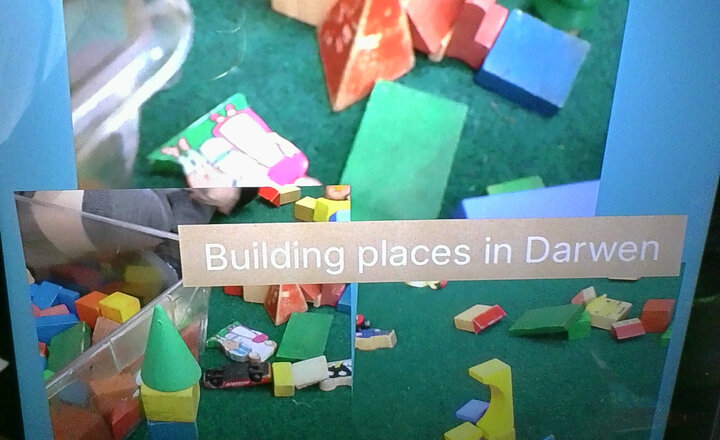
Year 1 - Construction - Places in Darwen
The children used building blocks to create a variety of structures and places in Darwen,. The collage shows different creations, including the Darwen Tower and local houses.
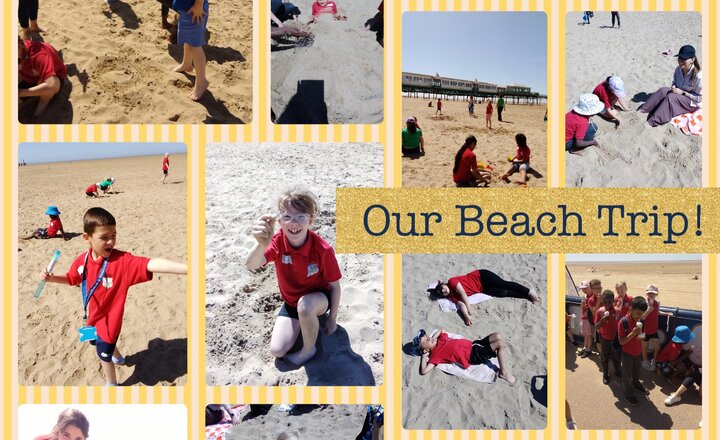
Year 2 Beach Trip
What a fantastic beach trip our children had! The collage captures their joy as they played in the sand, built sandcastles, relaxed by the water, and explored the seaside. We had an amazing trip together, the children had delicious ice cream, played with bubbles and created amazing memories.
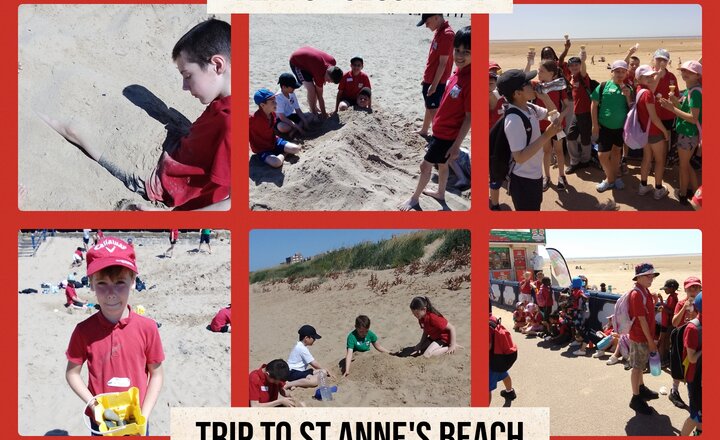
Year 5 Geography - Trip to St Anne's Beach
This half term, Year 5 has delved deeply into the vital topic of oceans in Geography, with a particular focus on understanding the pervasive effects of plastic pollution on our seas and beaches. We critically examined personal actions to combat this issue, exploring strategies such as diligent recycling, creative plastic repurposing, and mindful consumption to reduce single-use plastics. Our learning culminated in a valuable field trip to St. Anne's beach, where students actively identified the types of litter present, complementing our classroom discussions with real-world observation. Of course, we also found time to enjoy some well-deserved ice creams and fun in the sand!
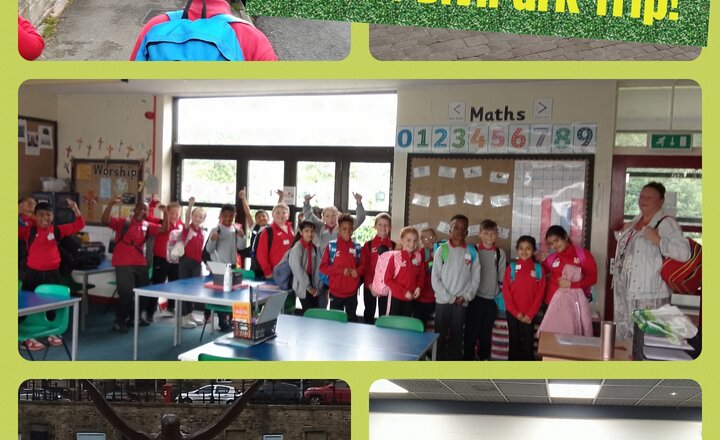
Year 4 Bold Venture Park!
On Wednesday, Year 4 walked to Bold Venture Park and had a fantastic day!! We were very excited to set off and walk to the park, passing lots of familiar places on our way! We enjoyed looking at the statue and plinth in front of the market - we had looked at this already in an art lesson, so it was great for us all to see it in person! We had a busy, but exciting day ahead of us.
Reception - Maths - Making Maps
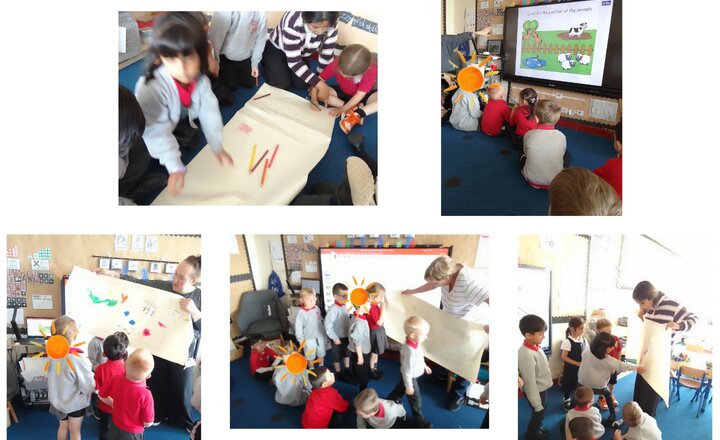
This week in maths, Reception have been exploring maps – using our maths eyes to spot shapes, patterns and position as part of our White Rose learning. We looked carefully at a simple story map and then worked together to create our own, using big paper, bold colours and brilliant teamwork! The children talked about where things were, using mathematical language like next to, behind, and in front of. They thought about directions and routes, and even explained their maps to others – practising reasoning skills along the way. White Rose encourages us to see maths in the world around us, and map-making is a great way to build those early spatial and positional skills. Plus, it gets us thinking visually and creatively – perfect for young mathematicians with curious eyes!

Nursery - Geography - Exploring Familiar Landmarks From our Community
The children have been exploring the miniature town setup, demonstrating a strong connection to their immediate world. They eagerly selected toy cars and began to drive them around the roads, navigating between the familiar buildings and landmarks. There was clear recognition of the nursery building and the school, with many children pointing and making excited sounds or simple comments like "My nursery!" or "School!" As they drove, children frequently paused their cars at the images of local shops and statues, initiating conversations or responding to adult prompts about their experiences. They used simple words and gestures to indicate where they had seen these places, showing a developing understanding of familiar geographical features in their community. The activity fostered rich opportunities for communication and language, as children shared their personal connections to the landmarks, such as "I go there!" for a shop, or pointing to a statue and looking for adult affirmation. The interactive nature of driving the cars around the 'town' facilitated active exploration and helped children make tangible links between the models and their real-world experiences.
Year 5 Geography - Oceans
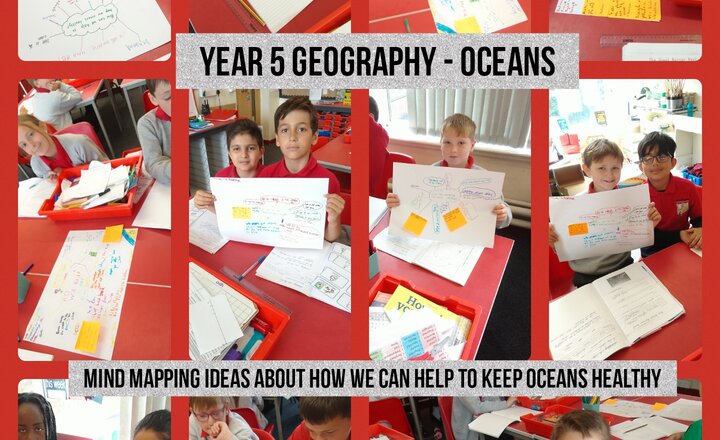
In Geography lessons, Year 5 has been delving into the vital topic of oceans. This week, our focus shifted to practical solutions for preventing plastic pollution in our seas. We thoroughly explored ways to reduce our personal single-use plastic consumption and discussed innovative methods for repurposing and reusing plastic items. Building on this crucial understanding, we are excited to visit the seaside next week, where we will investigate our local beaches to assess litter types and quantities, and identify the diverse flora and fauna that inhabit the area.
Pre-School-Understanding The World-Harvesting
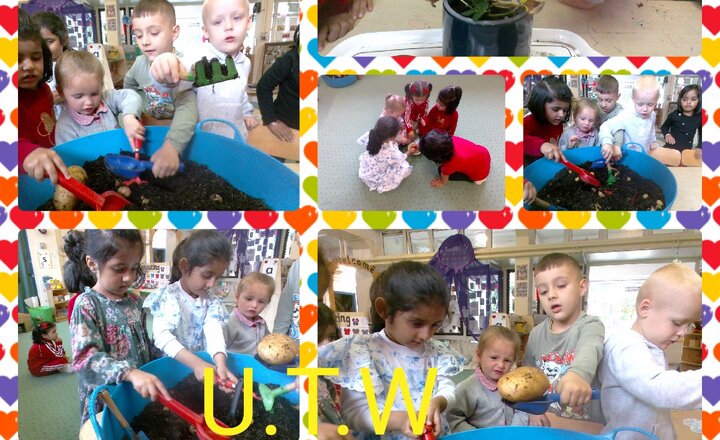
This week in understanding the world we have been looking at harvesting, What can be harvested?, who harvests them? and why we harvest fruit and vegetables. "Harvesting" in the Early Years refers to engaging young children in activities related to the gathering of crops, fruits, and vegetables. It's a fantastic way to introduce them to concepts of nature, food, and the wider world. Key Learning Areas in EYFS Covered by Harvesting Activities: Understanding the World: The Natural World: Learning about plant life cycles, where food comes from, the importance of water and sunlight, and the role of insects. People, Culture and Communities: Understanding how farms provide food, the concept of a harvest festival, and the idea of sharing and gratitude. Physical Development: Fine Motor Skills: Planting small seeds, picking berries, husking corn, using child-friendly gardening tools. Gross Motor Skills: Digging, carrying baskets, moving around a garden or outdoor space. Personal, Social and Emotional Development: Managing Self: Developing patience as they wait for plants to grow, taking responsibility for caring for plants. Self-Regulation: Sharing tools, taking turns. Building Relationships: Working cooperatively with peers and adults. Communication and Language: Listening, Attention and Understanding: Following instructions for planting and harvesting. Speaking: Describing textures, smells, and tastes of harvested items, discussing what they are doing. Mathematics: Number: Counting fruits, vegetables, or seeds; measuring quantities of soil or water. Shape, Space and Measure: Sorting by size, comparing quantities. Expressive Arts and Design: Creating with Materials: Making fruit/vegetable prints, collages with seeds, designing scarecrows. Being Imaginative and Expressive: Role-playing a farmer or market stall holder. Harvesting Activities for EYFS: Real Garden Harvesting: Planting and Growing: If possible, have a small garden patch where children can plant seeds (e.g., beans, cress, sunflowers) and care for them. The ultimate harvesting experience! Picking: Picking ripe fruits (strawberries, raspberries) or vegetables (peas, cherry tomatoes) they have grown. Root Vegetable Digging: Burying vegetables like potatoes or carrots in a sensory bin filled with soil or compost for children to "dig up."
Year 3 Geography - Comparing Different Settlements
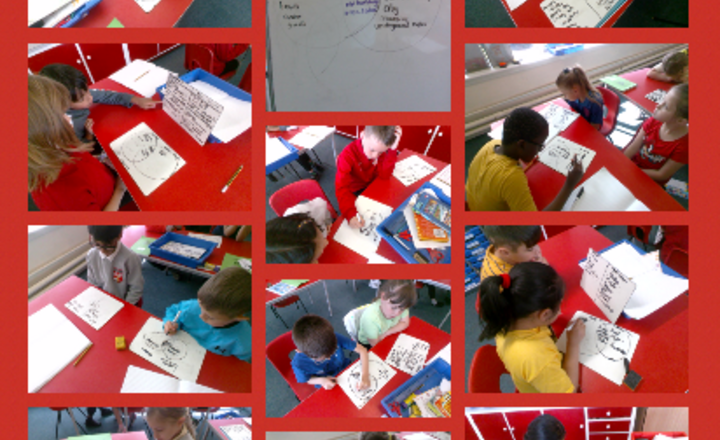
Year 3 geography students have been immersing themselves in the study of New Delhi. Today, they took their learning a step further by comparing the natural and human features of New Delhi with those of Darwen.